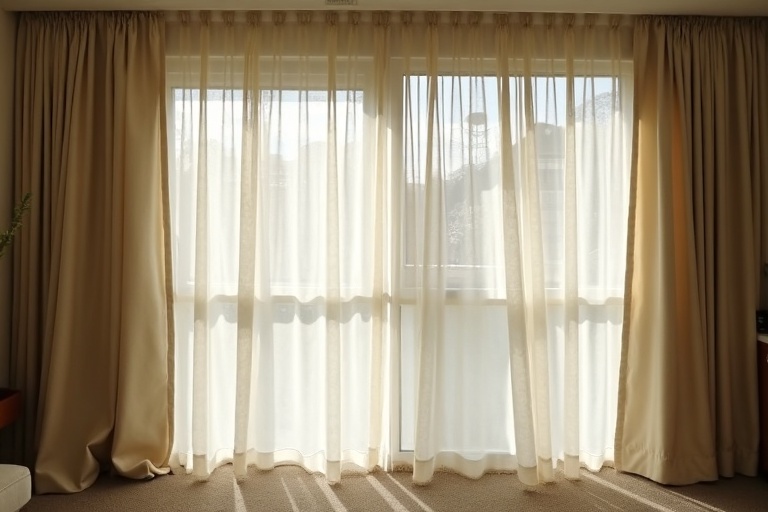

How to Get Smoke Smell Out of Curtains
Curtains are exceptionally porous, making them highly efficient at absorbing ambient household odours. Among these, smoke smell - whether from cigarettes, cigars, wood fireplaces, or kitchen mishaps - is one of the most stubborn to remove. Smoke particles contain sticky tars, resins, and organic ash that bond tightly to fabric fibers, leaving a persistent odour. In this detailed guide, we explain how to get smoke smell out of curtains effectively.
1. Understand Why Smoke Smell Clings to Curtains
When organic material burns, it releases volatile organic compounds (VOCs) along with microscopic carbon particulates, sticky tars, and heavy resins. Because curtains hang vertically and are constantly exposed to rising household air currents, these airborne smoke particles settle directly onto the fabric surface.
The sticky tars act like glue, bonding the microscopic ash particles to the individual fabric threads. This is why simply spraying standard air fresheners or fabric deodorizers will not work; these retail sprays only temporarily cover up the odour. Once the pleasant scent fades, the heavy, oily smoke smell returns. To eliminate the odour permanently, you must chemically dissolve the sticky tars and extract the ash particles from the fabric weave, restoring the fabric's natural breathability.
2. The Baking Soda Deodorisation Technique: The Dry Solution
If your curtains are made from delicate natural fibers like silk, wool, or brocade, they cannot be safely washed in water. For these dry-clean-only treatments, baking soda offers a highly effective, natural dry deodorizing solution. Baking soda (sodium bicarbonate) is a natural alkaline compound that actively neutralises acidic odour molecules on contact.
To deodorise your curtains with baking soda, follow these steps:
- Lay Them Flat: Take the curtain panels down and lay them flat on a clean sheet on the floor.
- Sprinkle Baking Soda: Sift a generous layer of baking soda over the entire fabric surface.
- Let It Sit: Allow the baking soda to sit for at least four to six hours. This gives the powder enough time to absorb the surface oils and trap the odour molecules.
- Vacuum Gently: Use your vacuum cleaner's upholstery brush attachment on a low-suction setting to vacuum the baking soda off the curtains, working from the top down. Repeat the process on the back side of the panels if necessary.
3. The White Vinegar Wash: The Acidic Neutralizer
For washable fabrics such as polyester, cotton, and linen blends, a wet clean mixed with white distilled vinegar is highly effective. Vinegar contains acetic acid, which actively cuts through the sticky tars and resins, dissolving the chemical bonds that lock smoke particles onto the fabric fibers.
The Vinegar Bathtub Pre-Soak
Fill a clean bathtub with warm water and add two cups of white distilled vinegar. Submerge the curtains completely and allow them to soak for one hour. You will notice the water turning slightly yellow as the vinegar breaks down the smoke tars. Drain the tub, rinse, and wash the curtains gently with a mild liquid detergent to achieve a fresh, clean finish.
4. Alternative Natural Odour Absorbers for Curtains
In addition to baking soda and white vinegar, several alternative natural odour absorbers can help eliminate stubborn smoke smells from your window treatments. Activated charcoal is an incredibly powerful option. It features a highly porous surface that acts like a sponge, trapping volatile odour molecules inside its microscopic pores. You can place small breathable bags of activated charcoal behind your curtain panels or hang them from the rods to continuously filter the surrounding air. Zeolite mineral bags are another excellent, reusable alternative. These natural volcanic minerals attract and bind heavy chemical compounds, including nicotine and tar gases. By placing these bags in close proximity to your window coverings, you can accelerate the deodorisation process, ensuring your room remains fresh and odor-free without introducing artificial chemical fragrances into your home environment.
In addition to these solids, you can also utilize natural essential oil diffusers to neutralize airborne particles. While they do not clean the fabric directly, diffusing citrus or eucalyptus oils can break down the lingering odors in the room, creating an atmospheric environment that helps repel smoke molecules. Always ensure the diffuser is placed away from direct contact with the curtains to avoid leaving oily spots on the fabric.
5. Addressing Third-Hand Smoke Hazards in the Home
The accumulation of nicotine smoke on household fabrics creates a hidden hazard known as third-hand smoke. When tobacco or combustion smoke settles, the chemical residues undergo a chemical transformation over time, reacting with ambient indoor air pollutants like nitrous acid to form highly carcinogenic tobacco-specific nitrosamines (TSNAs).
Because curtains occupy a large surface area in your living room or bedrooms, touch-contact with these contaminated fibers presents an ongoing risk of dermal absorption, especially for toddlers who crawl and pets who rub against hanging panels. Washing curtains with acidic vinegars or utilizing high-temperature steam extraction is the only effective way to chemically dissolve these heavy, cancer-causing resins, assuring a safe, healthy, and hazard-free breathing zone for your entire household.
6. Steam-Extraction: Professional in-Place Care
If your curtains are difficult to take down, a professional steam cleaning service utilizing hot-water extraction is highly recommended. The hot steam melts the tar and resins, while the high-powered vacuum extracts the liquefied residue and ash particles instantly. Treating your curtains with these dedicated methods ensures your home environment is restored to a clean, fresh, and healthy state with complete peace of mind, leaving your window treatments smelling pristine and hanging beautifully.
7. Preventive Strategies: Keeping Smoke Odours Away
Once your curtains are clean and fresh, you must take proactive steps to prevent future odor buildup. If you have a wood-burning fireplace, ensure the flue is working properly to avoid smoke downdrafts into the living area. When cooking high-grease or pungent meals, always run your kitchen range hood on its highest setting and close the doors leading to carpeted or curtained rooms to contain the vapors. If smoking occurs on the property, establish a strict outdoor-only policy, as even minimal indoor smoke will accumulate on window fabrics over time. Finally, make it a habit to vacuum your curtains weekly. By extracting surface dust regularly, you remove the physical particles that smoke molecules use as anchors, ensuring your drapes stay smelling fresh and looking clean for the long term.